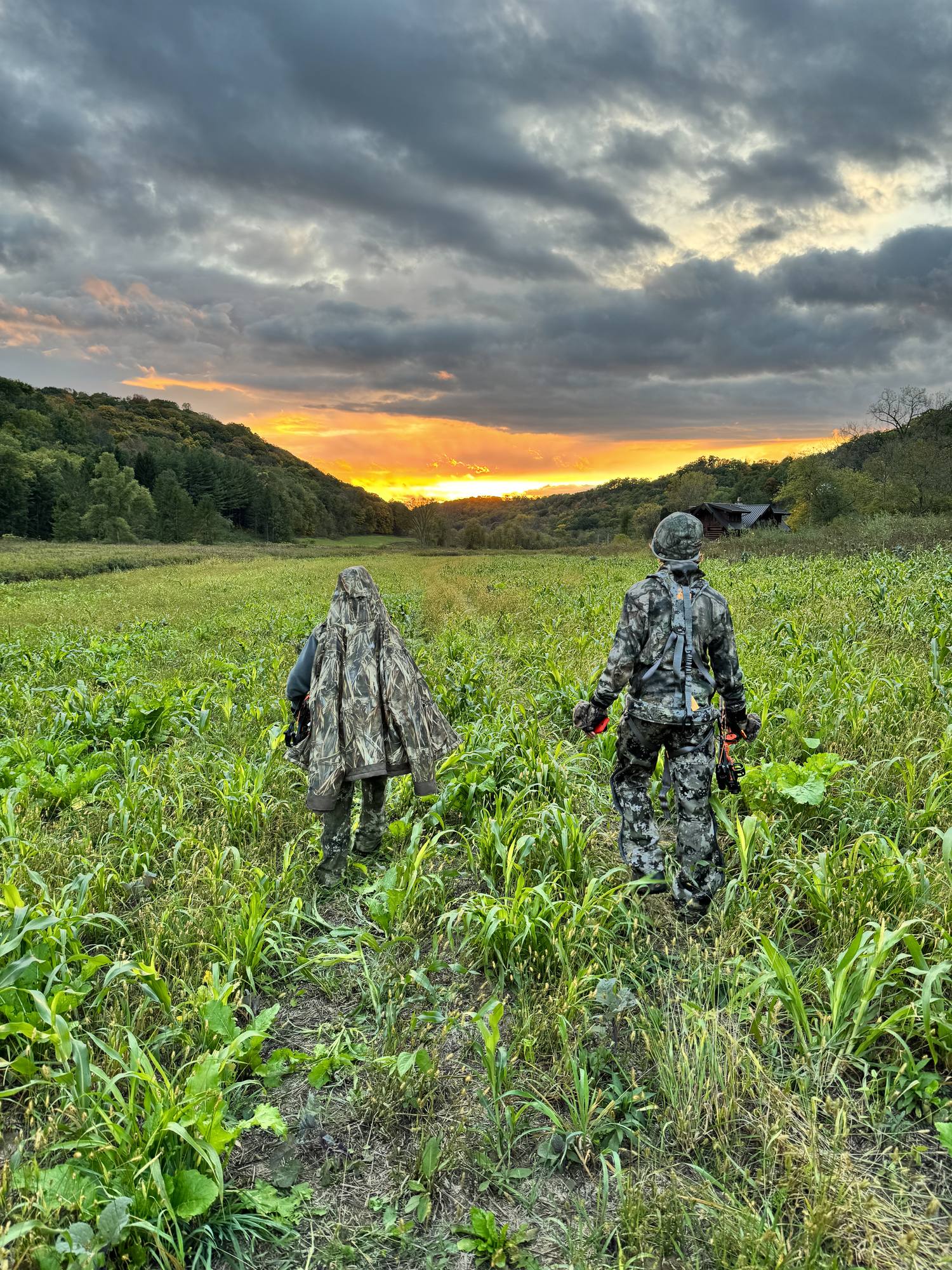
Town of Bear Creek, Sauk County, in Wisconsin's Driftless Area
A valley worth keeping
The glaciers that flattened most of Wisconsin never reached here. They left steep ridges, spring-fed coulees, and plant and animal communities that have disappeared almost everywhere else.
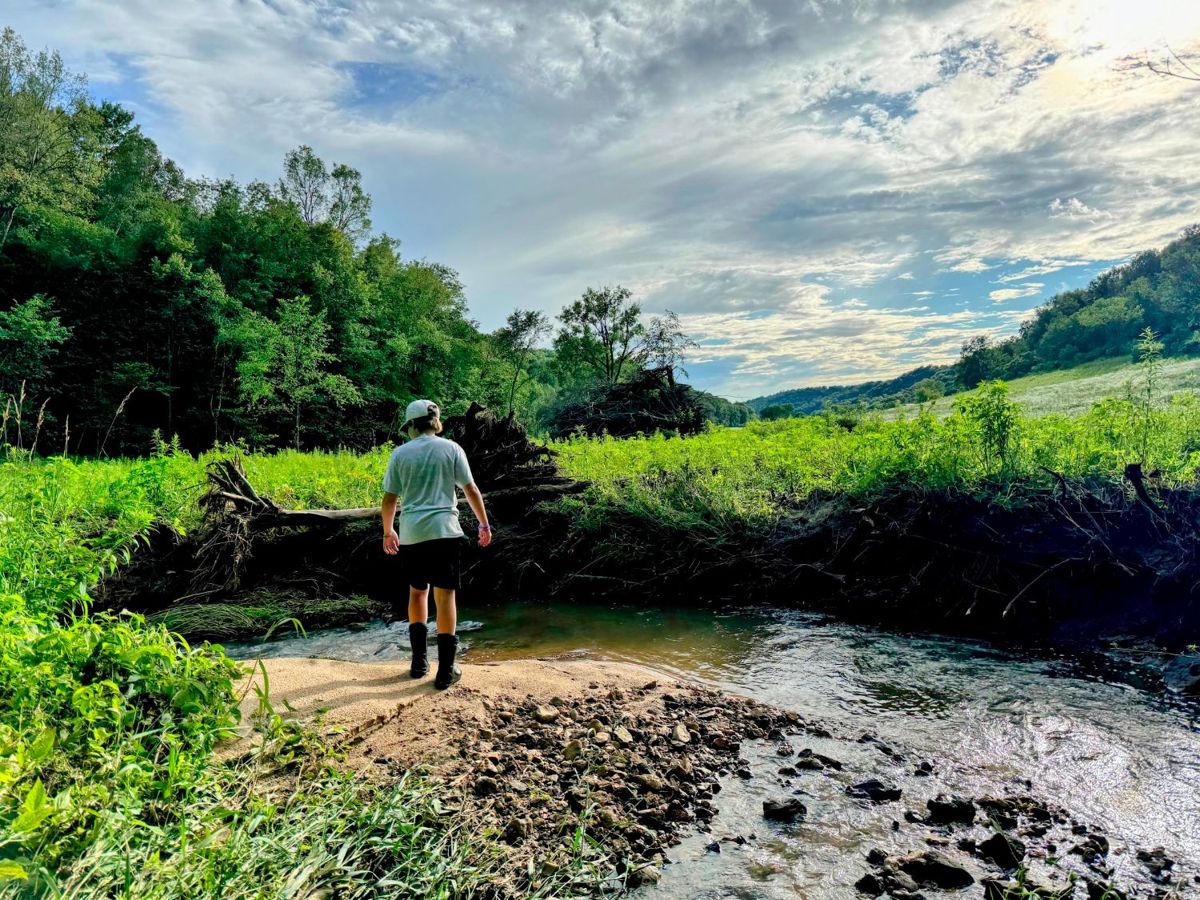
Biser Creek, a coldwater trout stream
Biser Creek runs through the center of the valley. The DNR classifies it as a Class I trout stream, the state's top class, for streams that sustain wild trout through natural reproduction.
It is a navigable waterway under state law. It feeds Bear Creek and the DNR's Bear Creek Fishery Area, which holds Class I trout water and one of the largest wetland complexes on any coldwater stream in southwest Wisconsin.
Sources: DNR classified trout streams, Sauk County; DNR Bear Creek Watershed plan; DNR Bear Creek Fishery Area.
Springs and sedge meadow
Springs and spring runs feed the creek through the year. Federal surveyors recorded springs here in the 1830s and 1840s, and they still flow.
Along the creek lies southern sedge meadow, mapped by professional ecologists at more than 40 acres on one member's land. The state's filing rules for transmission projects list southern sedge meadow as a sensitive, high-quality wetland the developer must identify.
Sources: PSC/DNR filing requirements for transmission lines, § 8.2.4; professional ecological surveys, 2017 and 2023–2024.
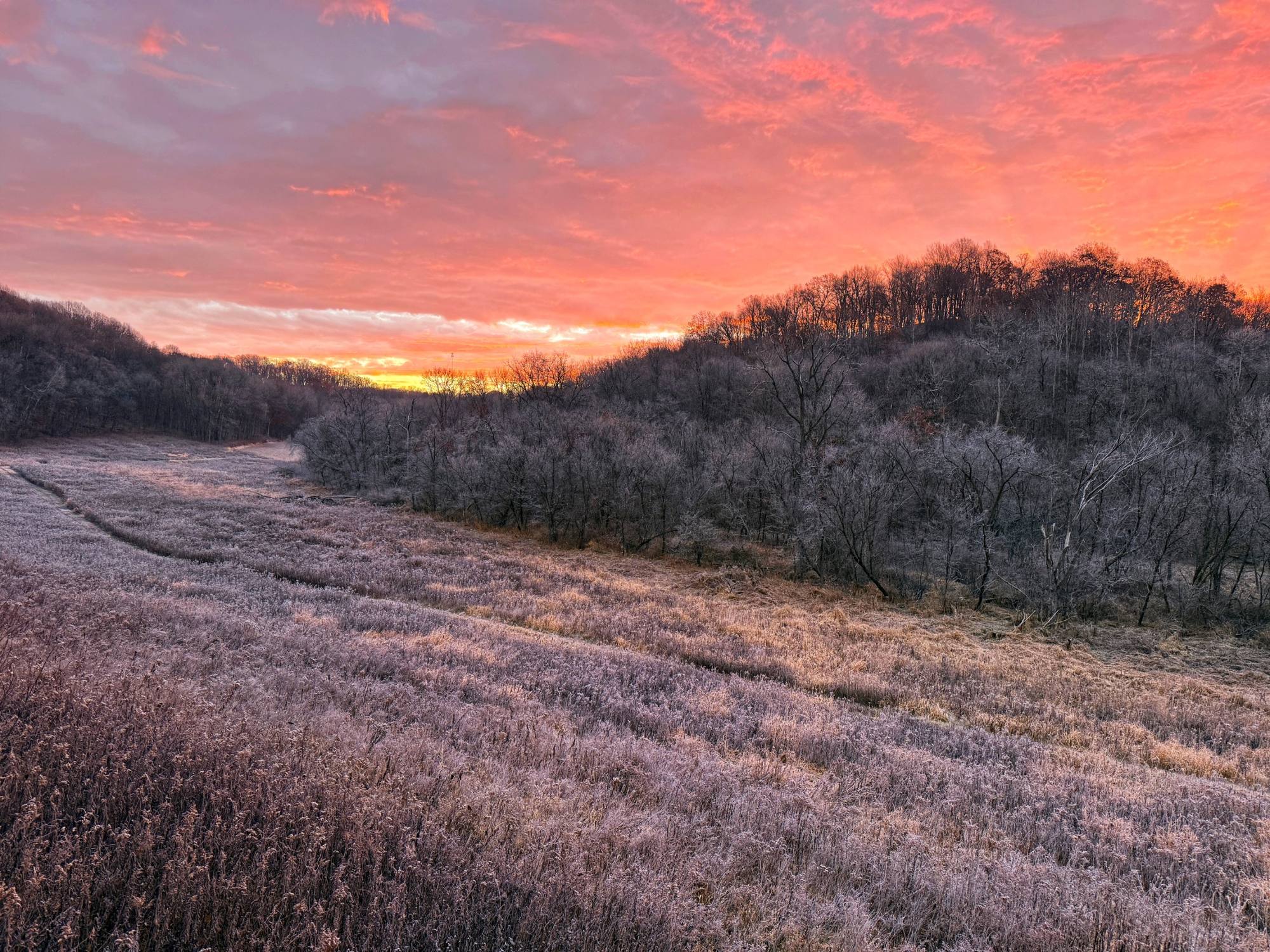
Remnant prairie and oak savanna
South- and west-facing slopes hold remnant hill prairie and oak savanna. Surveyors walking these section lines in the 1830s and 1840s described oak openings, and a 1937 aerial photograph shows the same open-grown oaks.
These are original remnants, not plantings. Ecologists have recorded leadplant, hoary puccoon, prairie dropseed and dwarf cliff brake here, plants with the highest conservatism ratings, meaning they persist only in high-quality native habitat.
Sources: U.S. Public Land Survey field notes; 1937 air photo; professional ecological surveys, 2017 and 2023–2024.
Wildlife, including a State Threatened species
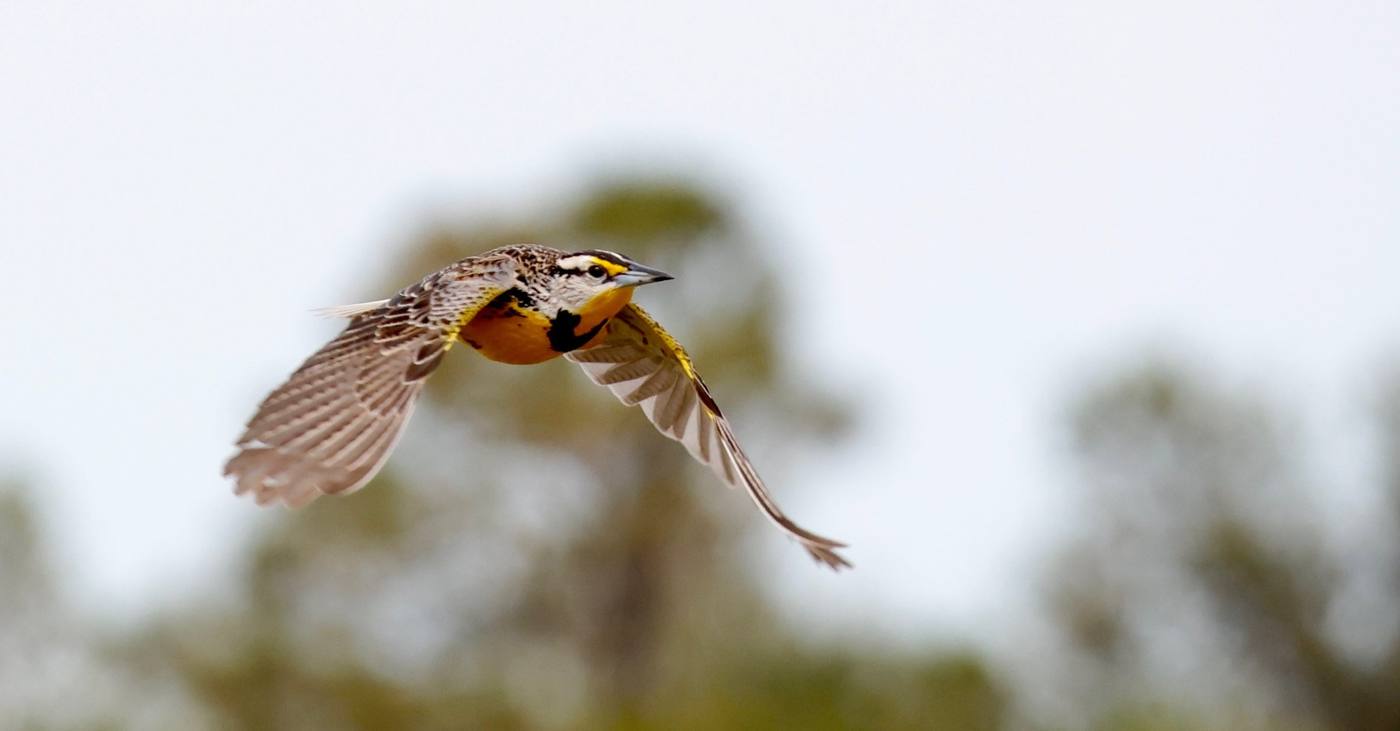
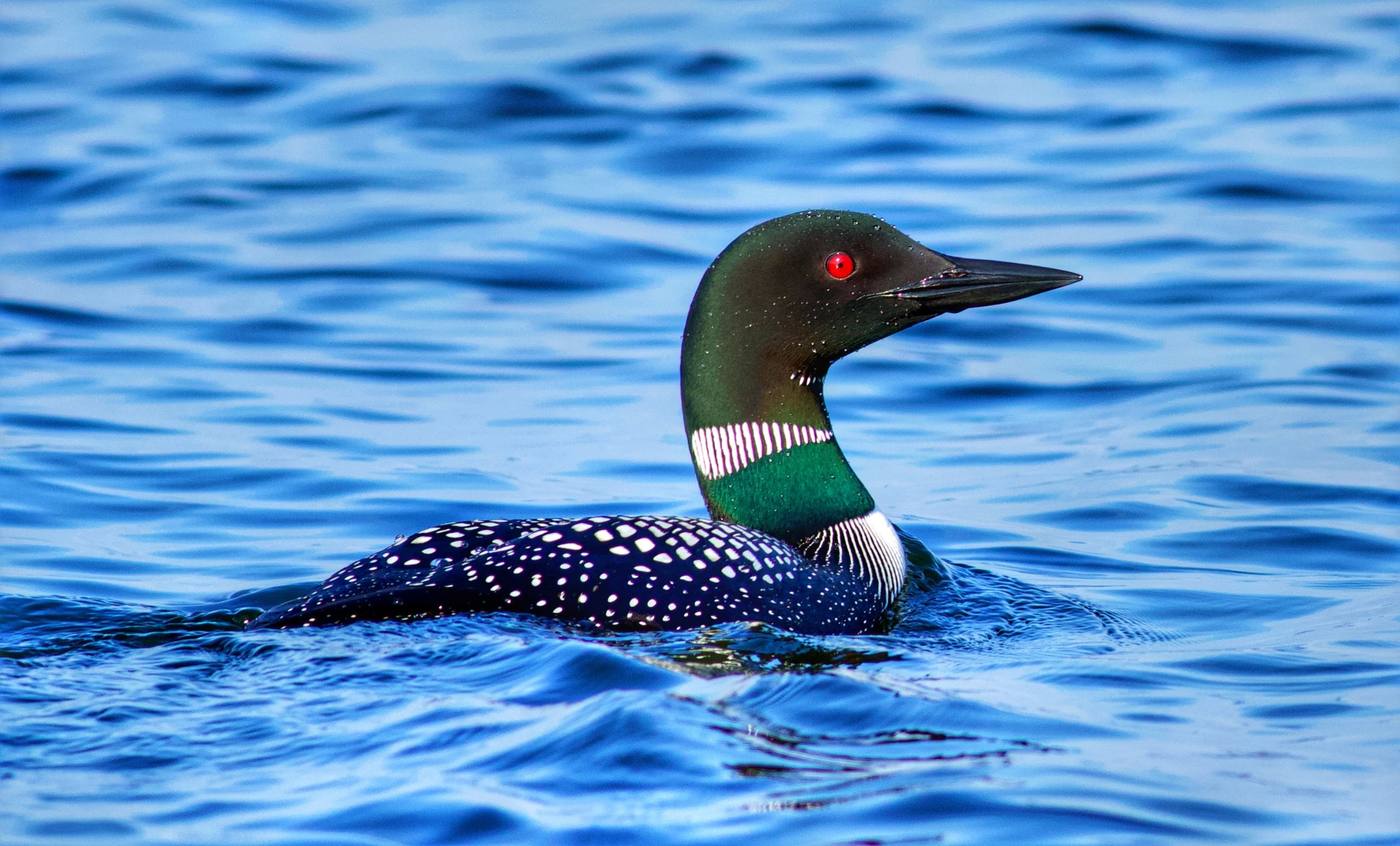
Professional surveys in 2023 and 2024 recorded 306 plant species and 51 bird species. Among them is the Acadian flycatcher, listed as Threatened in Wisconsin. It nests along shaded ravines inside large blocks of unbroken forest, the kind of forest a cleared corridor splits apart.
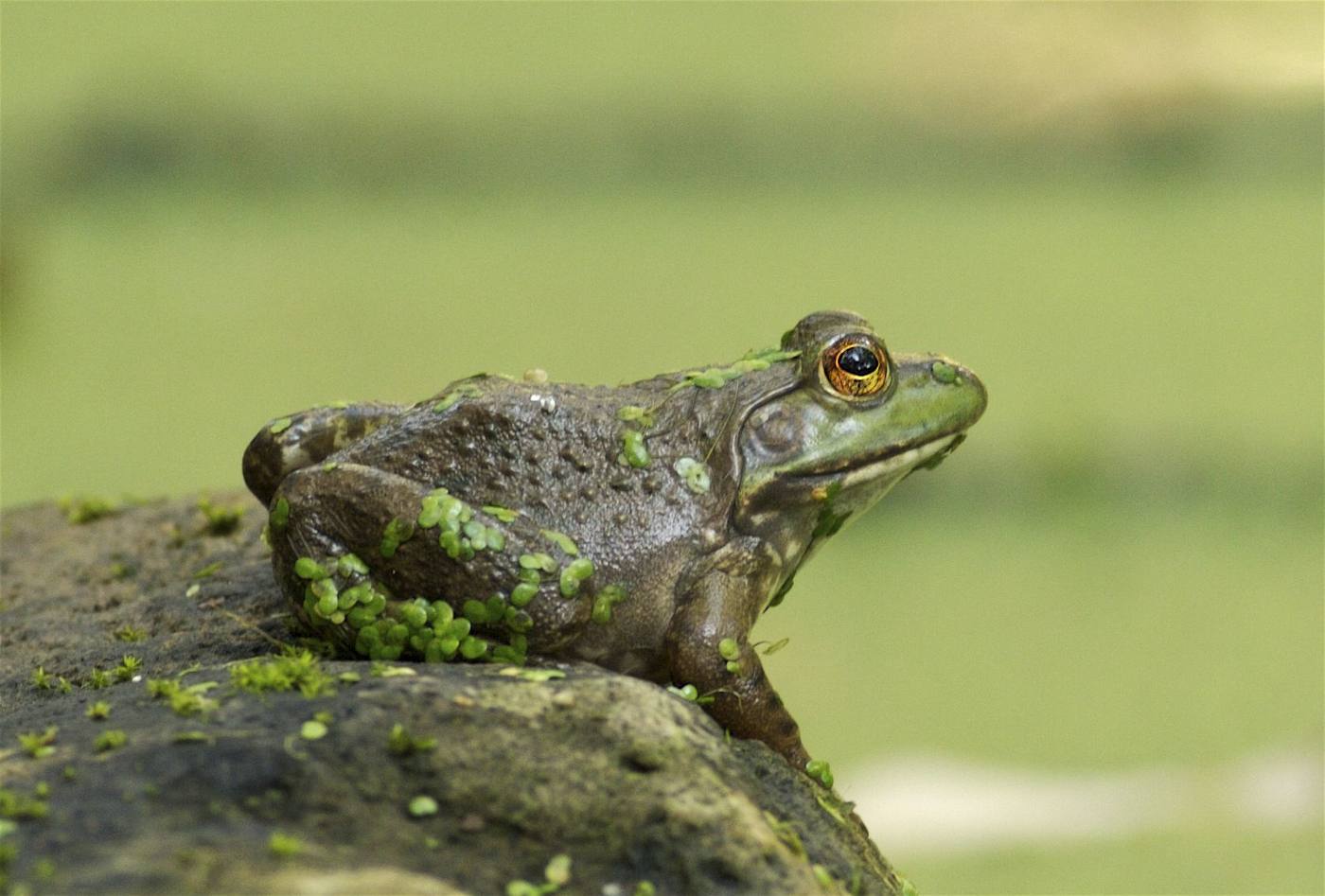
Surveyors also recorded the gray ratsnake and the pickerel frog, both Wisconsin Special Concern species. To protect these species, we do not publish their locations.
Sources: professional ecological surveys, 2023–2024; PSC/DNR filing requirements for transmission lines, § 9.
Northern long-eared bat, a federally endangered species
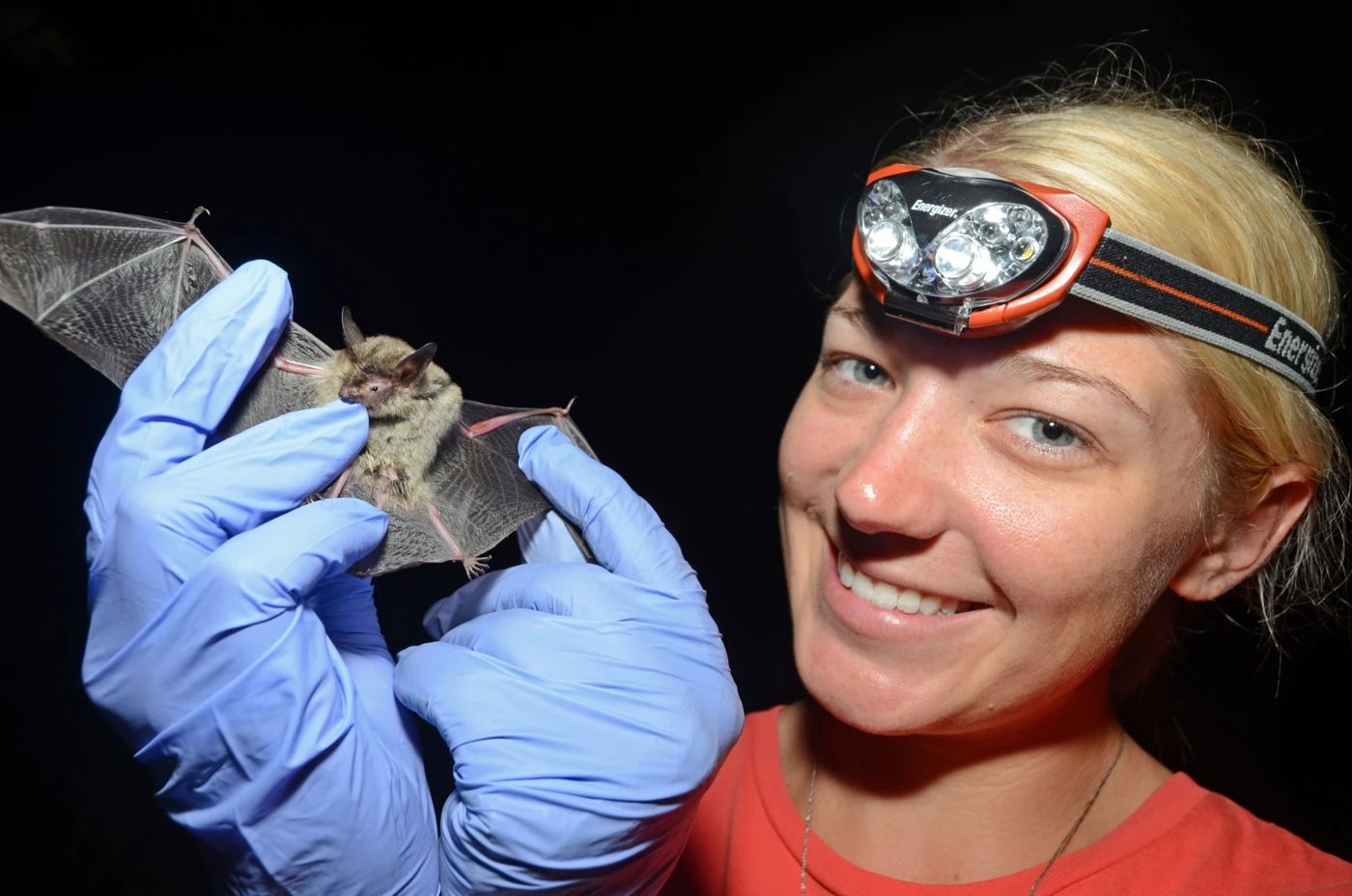
Northern long-eared bats live in Bear Valley. A professional survey, acoustic monitoring and DNR records confirm the species here, including a hibernaculum, a site where the bats spend the winter.
The species is listed as Endangered under the federal Endangered Species Act and as Threatened in Wisconsin. White-nose syndrome has cut its numbers by 97 to 100 percent across its range, so every known winter site matters.
In summer these bats roost under bark and in cavities of live and dead trees, the forest a cleared right-of-way removes. Wisconsin's bat conservation plan for forest land uses no-cut buffers around hibernacula and known roost trees. To protect the bats, we do not publish the site's location.
Sources: professional ecological survey; acoustic monitoring; DNR records; U.S. Fish and Wildlife Service; DNR species page; DNR bat conservation plan; PSC/DNR filing requirements for transmission lines, § 9.
Farms and homes
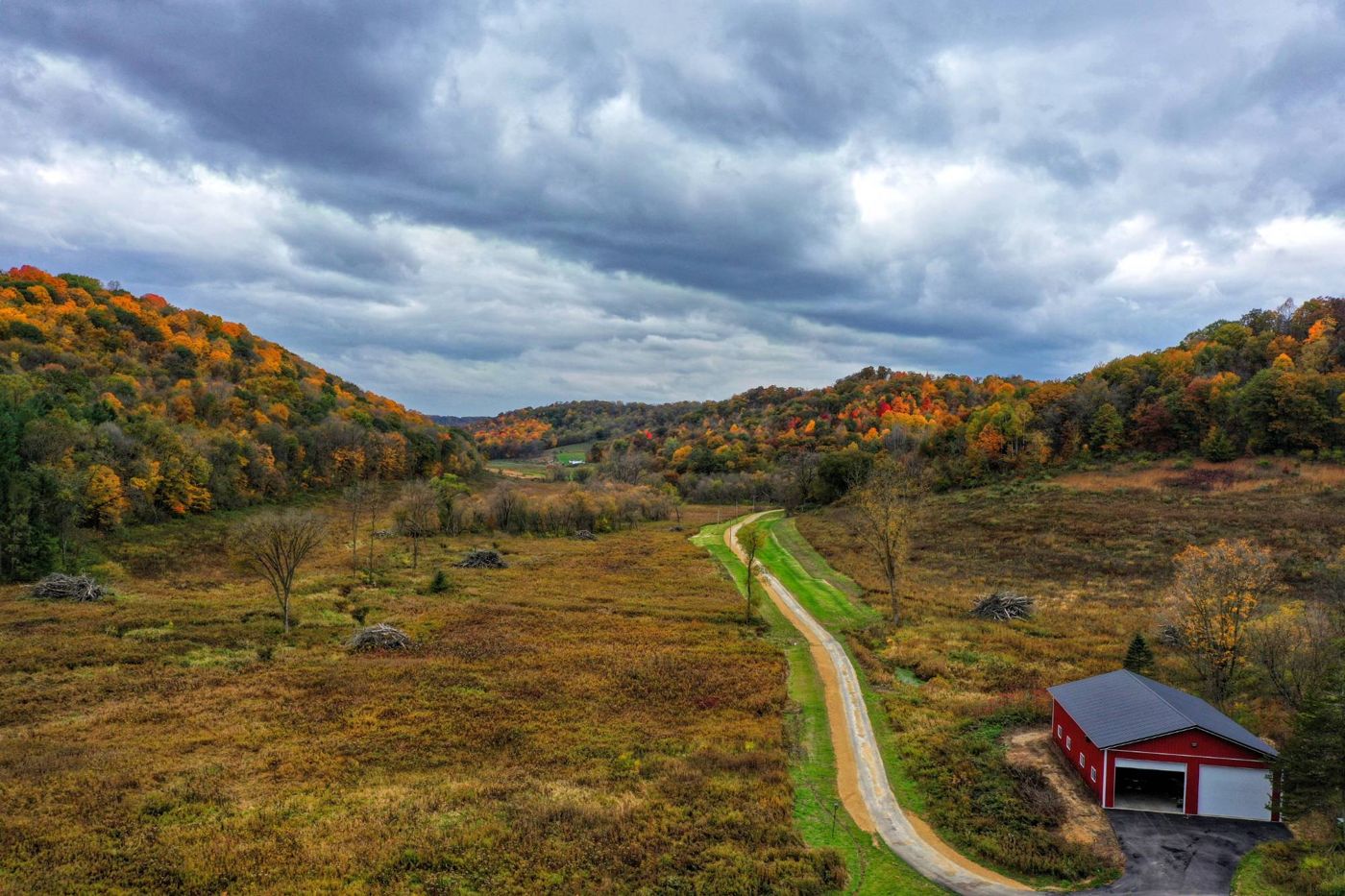
Bear Valley is a working landscape. Families farm the valley floor and live along County Road N and the town roads, and some have built and planned homes here for years.
Under the state's filing rules, MGS must map every home within 300 feet of its proposed line, along with farm buildings and nearby animal operations.
Source: PSC/DNR filing requirements for transmission lines, § 1.10.
AFR § 1.6.4
The state already counts the Driftless Area as special
The PSC and DNR filing requirements ask every transmission applicant to list special or unique natural features along each route. They name the Driftless Area as an example.